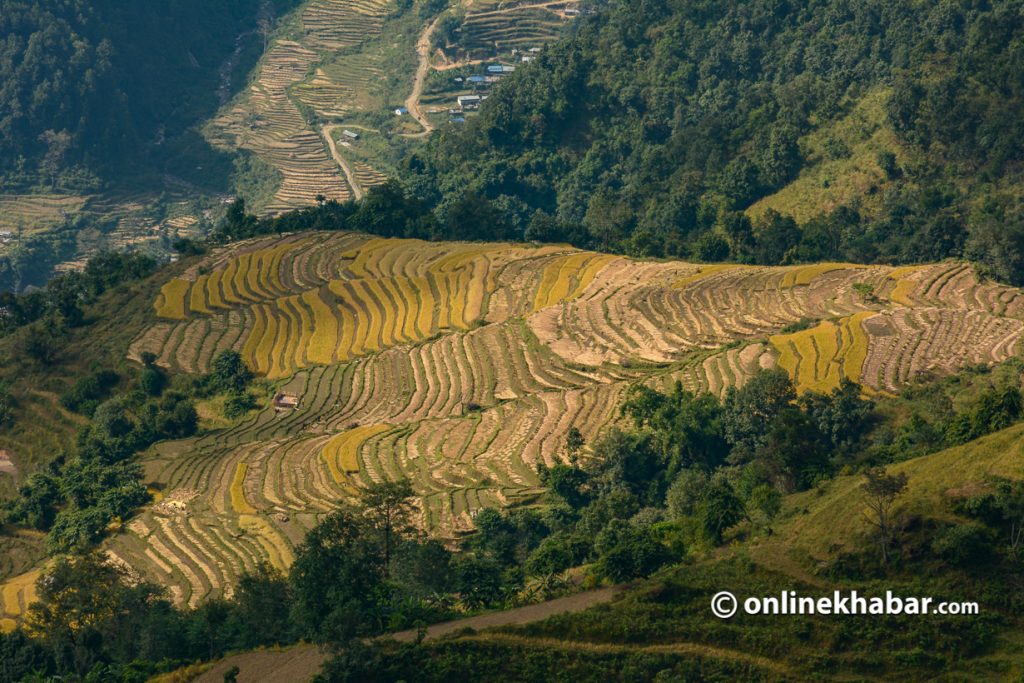
Nepal possesses a significant variety of agricultural genetic resources, ranging from finger millet and buckwheat in highland regions to diverse rice and vegetable cultivars. These indigenous crops, cultivated over generations, have developed unique traits that allow them to thrive in specific local environments, including resilience against drought and temperature fluctuations. However, this essential agricultural heritage is currently in decline. Experts warn that treating these landraces merely as subsistence crops ignores their ecological value. As climate change introduces greater unpredictability into farming systems, the loss of these genetically diverse plants reduces the country's capacity to adapt to shifting environmental conditions. Protecting these traditional seeds is therefore vital, serving as a strategic safeguard for future food security and agricultural sustainability in the face of global climate challenges.
Source : Online Khabar
Photo : Online Khabar