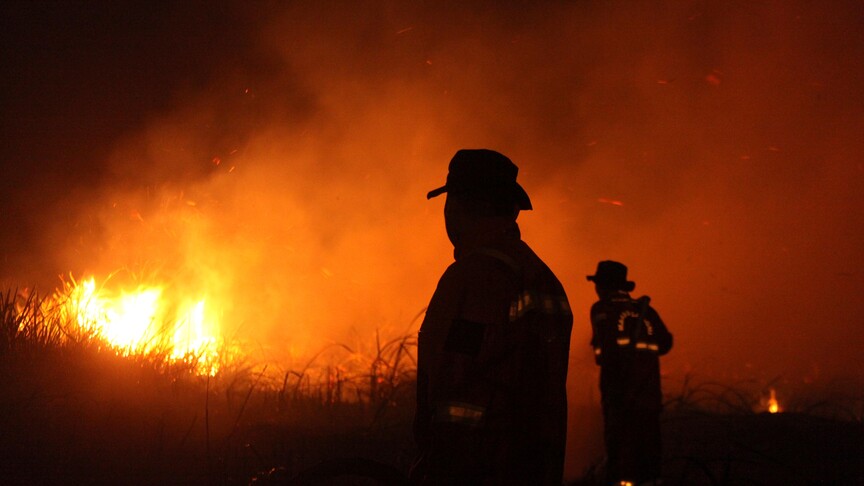
The World Meteorological Organization has issued a warning regarding the negative impact of heat waves and wildfires on international air quality improvement initiatives. According to the agency's latest bulletin, the frequency of severe smoke incidents has risen significantly since the 1990s, leading to a substantial increase in annual mortality rates. The report suggests that current risk assessments may drastically understate the dangers posed by fine particulate matter from fires. Furthermore, rising temperatures and stagnant atmospheric conditions are accelerating the formation of ground-level ozone, which poses additional health risks to populations worldwide. The UN agency emphasizes that climate change and pollution are deeply interconnected, necessitating unified policy responses. To mitigate these threats, the WMO advocates for enhanced surveillance of various pollutants, including atmospheric microplastics and black carbon, while noting that adhering to established health guidelines will become increasingly challenging as extreme weather events persist.
Source : Anadolu Agency
Aussi couvert par : Daily Sabah