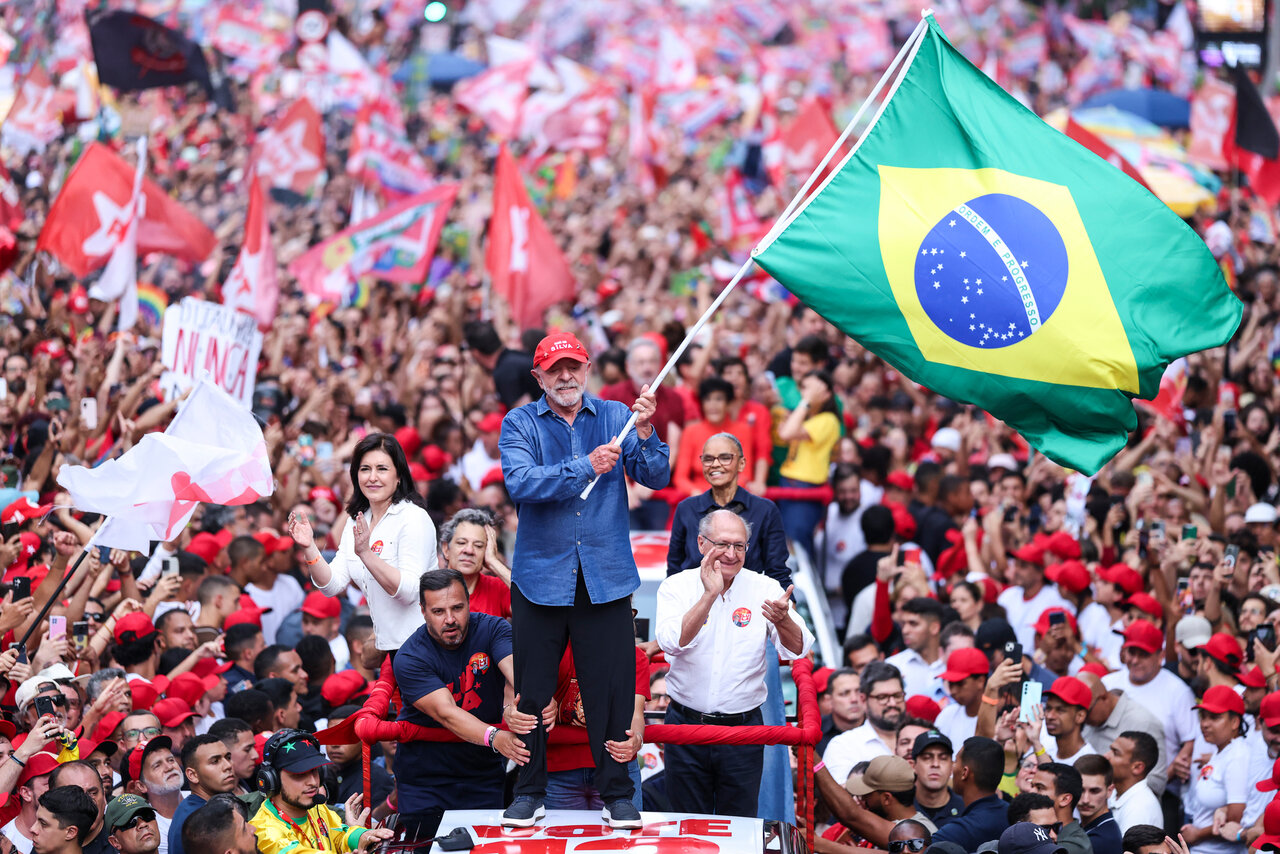
Luiz Inácio Lula da Silva has achieved a notable political comeback in Brazil, overcoming a significant first-round deficit to defeat his opponent in the presidential runoff. By securing 51.79 percent of the vote, Lula became the first candidate in the nation's modern history to reverse an initial electoral disadvantage. His campaign relied on grassroots mobilization, including support from social movements and rural workers, to challenge the prevailing political narrative. Beyond domestic policy, Lula has maintained an independent stance on international affairs, notably expressing solidarity with the Palestinian cause and criticizing Israeli military actions. While his victory highlights the strength of popular movements, his upcoming administration faces substantial challenges, including deep-seated economic inequality and a conservative-leaning parliament. The president-elect is now expected to focus on agrarian reform, industrial growth, and expanding social programs to address the needs of the working class.
Source : Tehran Times
Photo : Tehran Times