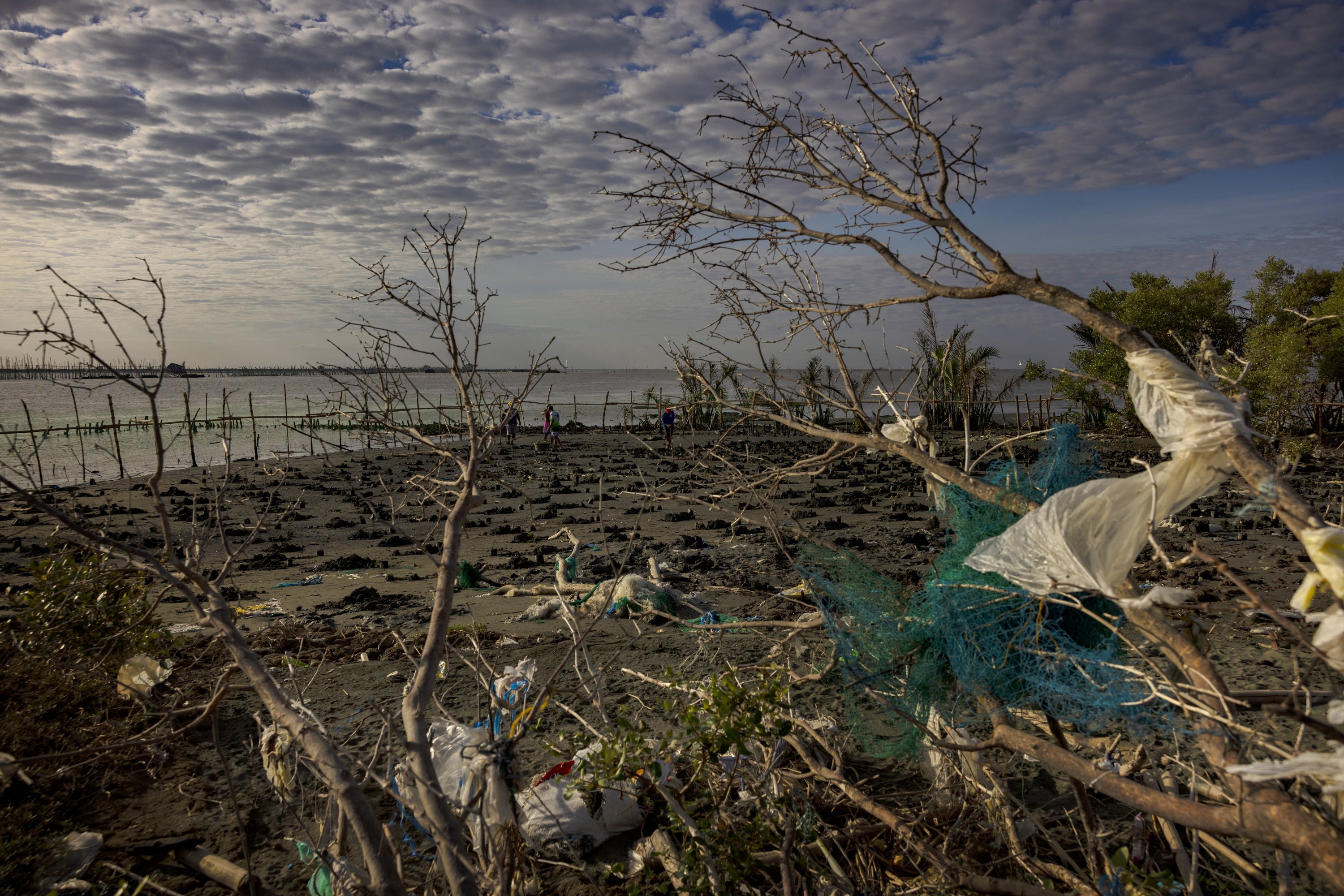
Reliable environmental data is essential for effective policy, as inaccurate information can lead to misallocated resources and health risks. Decision-makers, including investors and international organizations, depend on consistent and timely statistics to guide sustainability efforts and green finance. However, challenges such as methodological inconsistencies, corporate greenwashing, and fragmented reporting systems often compromise data integrity. While frameworks like the U.N.’s NQAF and the IMF’s DQAF aim to improve statistical quality, complex ecological interactions remain difficult to capture. Current assessments of Sustainable Development Goal indicators show that while data availability is increasing, many environmental targets remain unmet. Addressing these gaps requires a multidimensional approach that moves beyond isolated variables to understand the interconnected nature of pollution and climate change, ensuring that global environmental strategies are grounded in reality rather than incomplete or outdated records.
Source : Daily Sabah
Photo : Daily Sabah