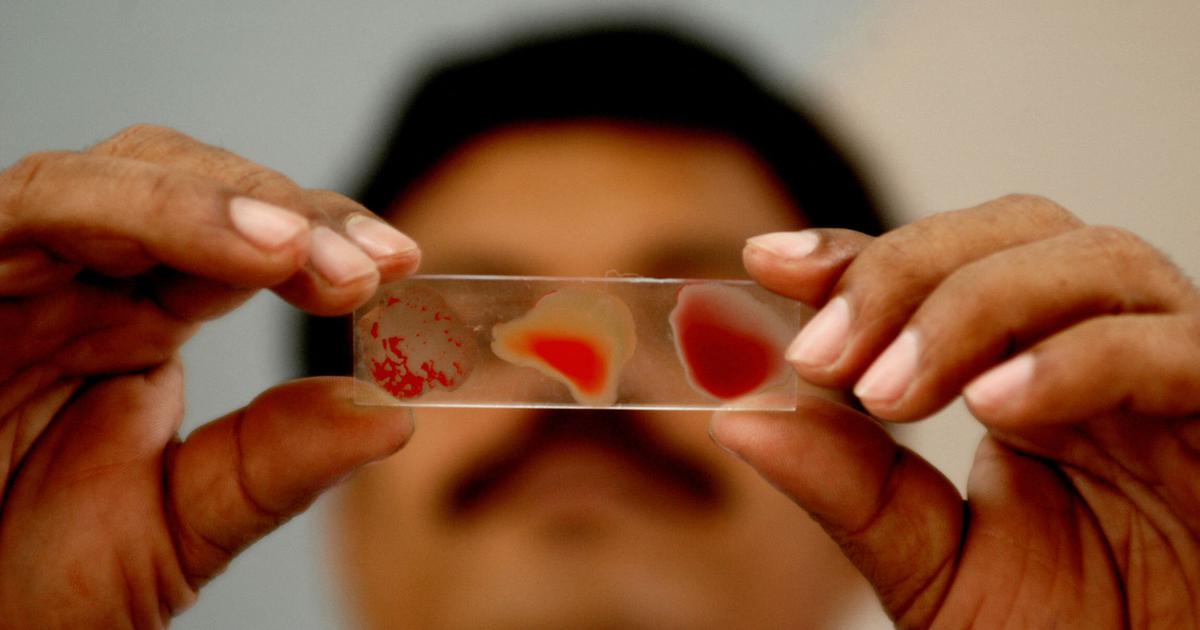
For the first time since the inception of the National Family Health Surveys in the 1990s, the most recent edition has failed to provide estimates regarding anaemia prevalence among women and children. Although the sixth round of the survey was carried out during 2023 and 2024, with results published in May, the biomarker schedule omitted haemoglobin testing. While field workers continued to collect blood samples via finger pricks, these were utilized exclusively to screen for HIV, hepatitis-B, and hepatitis-C. Instead of haemoglobin levels, the survey focused on gathering data related to blood pressure, random blood glucose, and physical measurements such as height and weight. Anaemia, which is primarily caused by iron deficiency, has been a consistent metric in previous health assessments, making this exclusion a significant departure from historical data collection practices.
Source : Scroll.in
Photo : Scroll.in