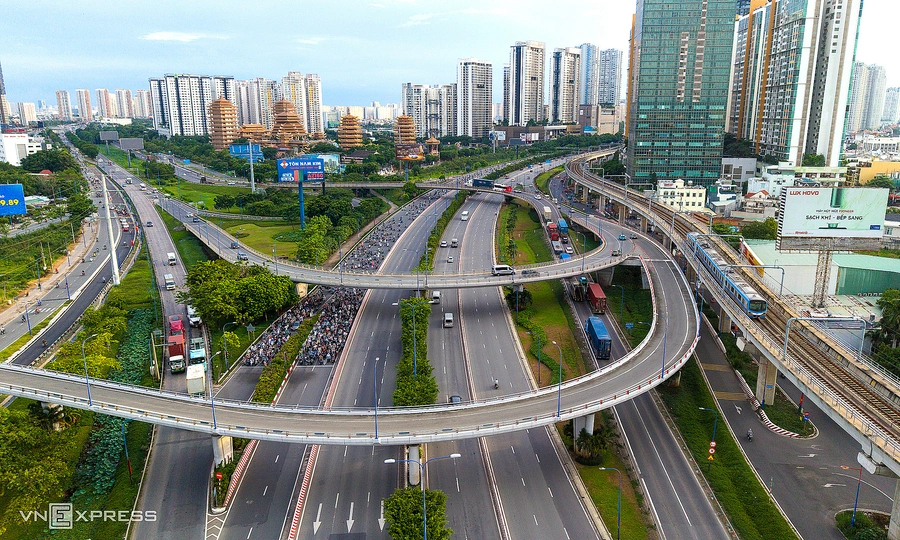
Recent census data indicates that Uzbekistan has transitioned into a majority-urban nation, with 54.5% of the population residing in cities. This demographic shift, coupled with a large working-age population, positions urban centers as critical hubs for national development. Anas Fayyad Qarman of the UNDP highlights that cities now face multifaceted challenges, including economic instability, climate change, and social inequality. To address these, the author advocates for a shift from isolated development projects toward integrated, systemic approaches. By fostering better coordination between local priorities and national goals, cities can improve infrastructure, housing, and transport while leveraging digital technologies like AI. The proposed strategy involves listening to local communities, creating interconnected portfolios of action, and mobilizing diverse partnerships. Through capacity building and adaptive learning, Uzbekistan’s cities can effectively transform these complex urban pressures into sustainable economic opportunities and improved living standards for their residents.
Source : Gazeta.uz
Photo : Gazeta.uz