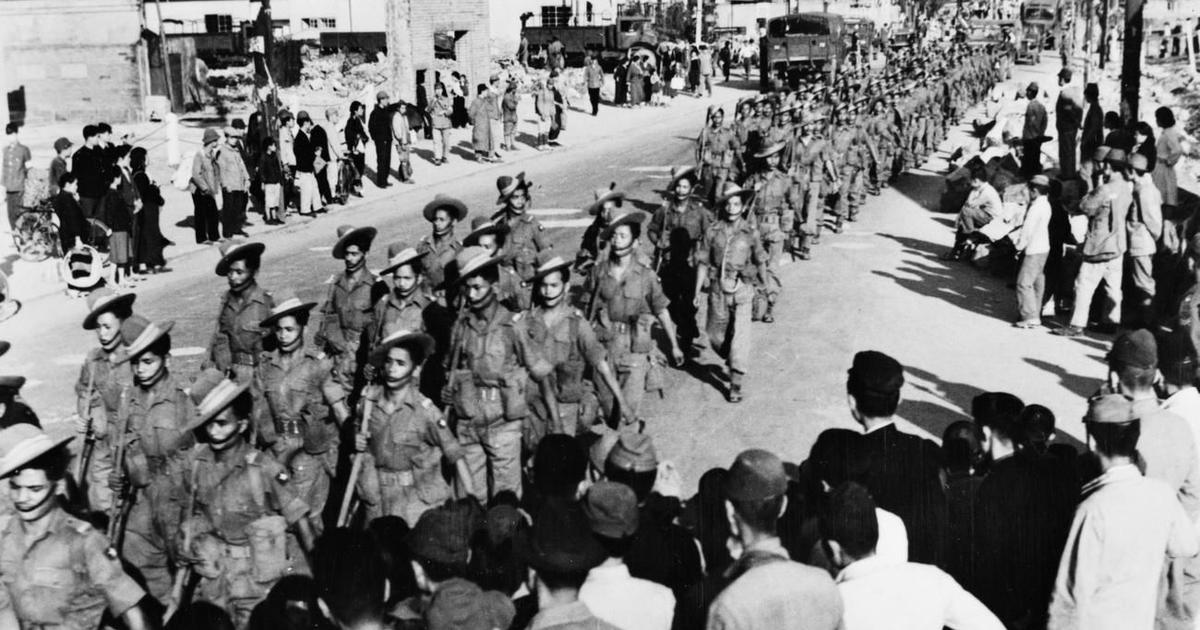
Following Japan's surrender in World War II, the small Indian population residing in the country encountered significant hardships under the American-led Allied occupation. Economic instability and strict trade regulations severely hampered their ability to maintain traditional livelihoods. Official records from the Indian Liaison Mission, which was set up in 1947 to monitor the 164 Indian nationals living primarily in Tokyo, Osaka, and Kobe, highlighted the community's precarious financial situation. By 1949, the mission reported that while some individuals held property, the majority struggled to adapt to the restrictive post-war environment. These regulatory controls prevented many from conducting business effectively, forcing the community to navigate a difficult period of transition while the nation remained under foreign military administration.
Source : Scroll.in
Photo : Scroll.in