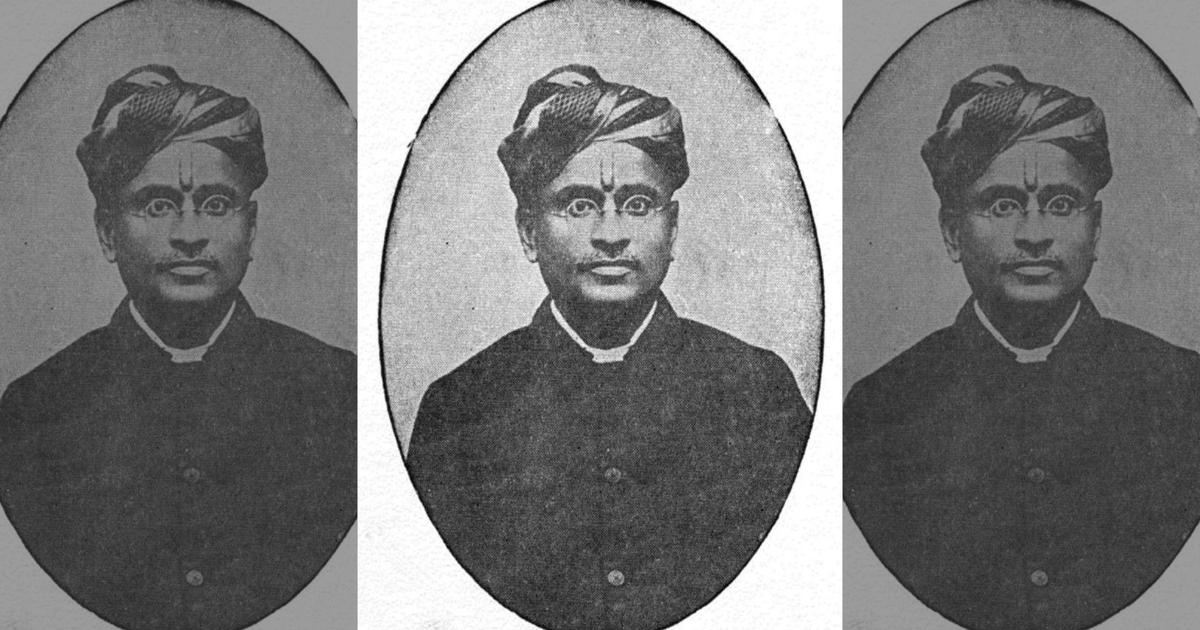
A recent book examines the development of a vibrant library culture in Bombay during the late 19th and early 20th centuries. These institutions were established through various frameworks, including religious affiliations, local neighborhoods, and secular educational organizations. Notable examples of community-focused libraries include the Mulla Firoz Library, the Jain Reading Room, and the Anjuman-i-Islam, which catered to specific religious groups. Simultaneously, neighborhood-based facilities like the Native General Library in Dhobi Talao provided essential access to literature for the public. While some of these reading rooms operated as free spaces, others required membership fees. The book highlights how these diverse entities, ranging from small community collections to larger society-run libraries, played a crucial role in the intellectual life of the city's working class during a period of significant urban expansion.
Source : Scroll.in
Photo : Scroll.in