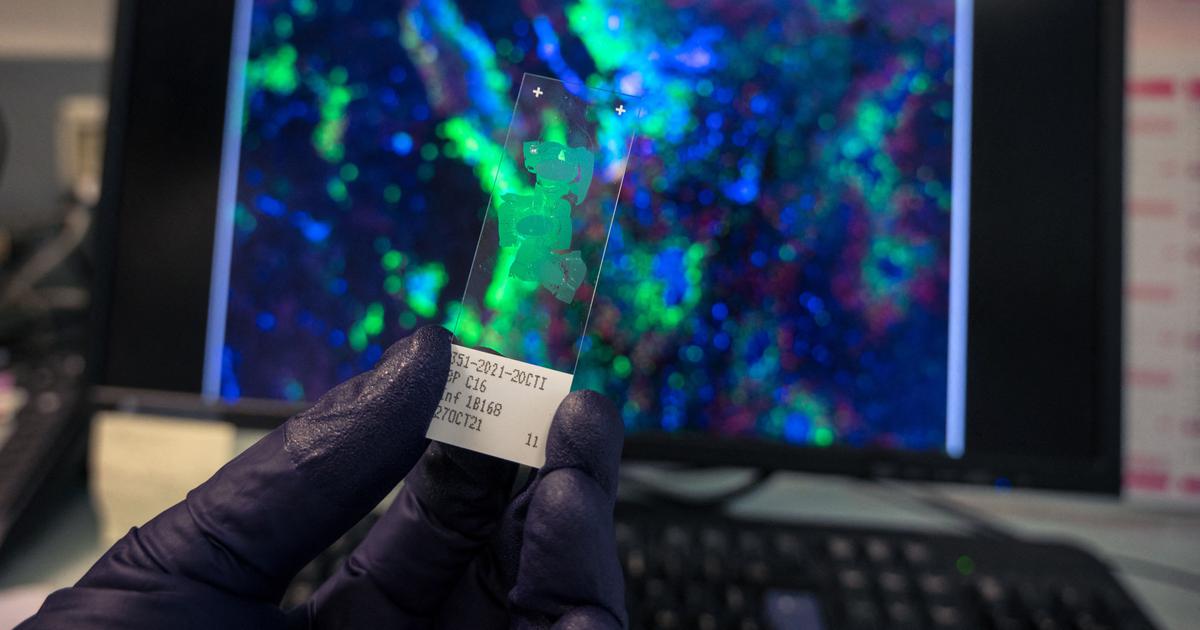
A recent study published in The Lancet Oncology by the World Health Organization indicates that approximately 12 percent of global cancer diagnoses in 2024 are attributable to infectious agents. The research identifies 2.3 million new cases linked to specific pathogens, with five primary culprits accounting for the majority of these instances: Helicobacter pylori, human papillomavirus, hepatitis B, hepatitis C, and the Epstein-Barr virus. These infections are associated with over 20 distinct cancer varieties, including those affecting the stomach, liver, and cervix. Researchers, who have dedicated three decades to investigating this correlation, emphasize the potential for prevention through the management of these infections. The findings provide critical insight into the biological mechanisms connecting pathogens to oncological development, highlighting the significant role that infectious disease control plays in broader cancer prevention strategies worldwide.
Source : Scroll.in
Photo : Scroll.in